
AC Repairs vs. Replacement: How to Choose the Right Option
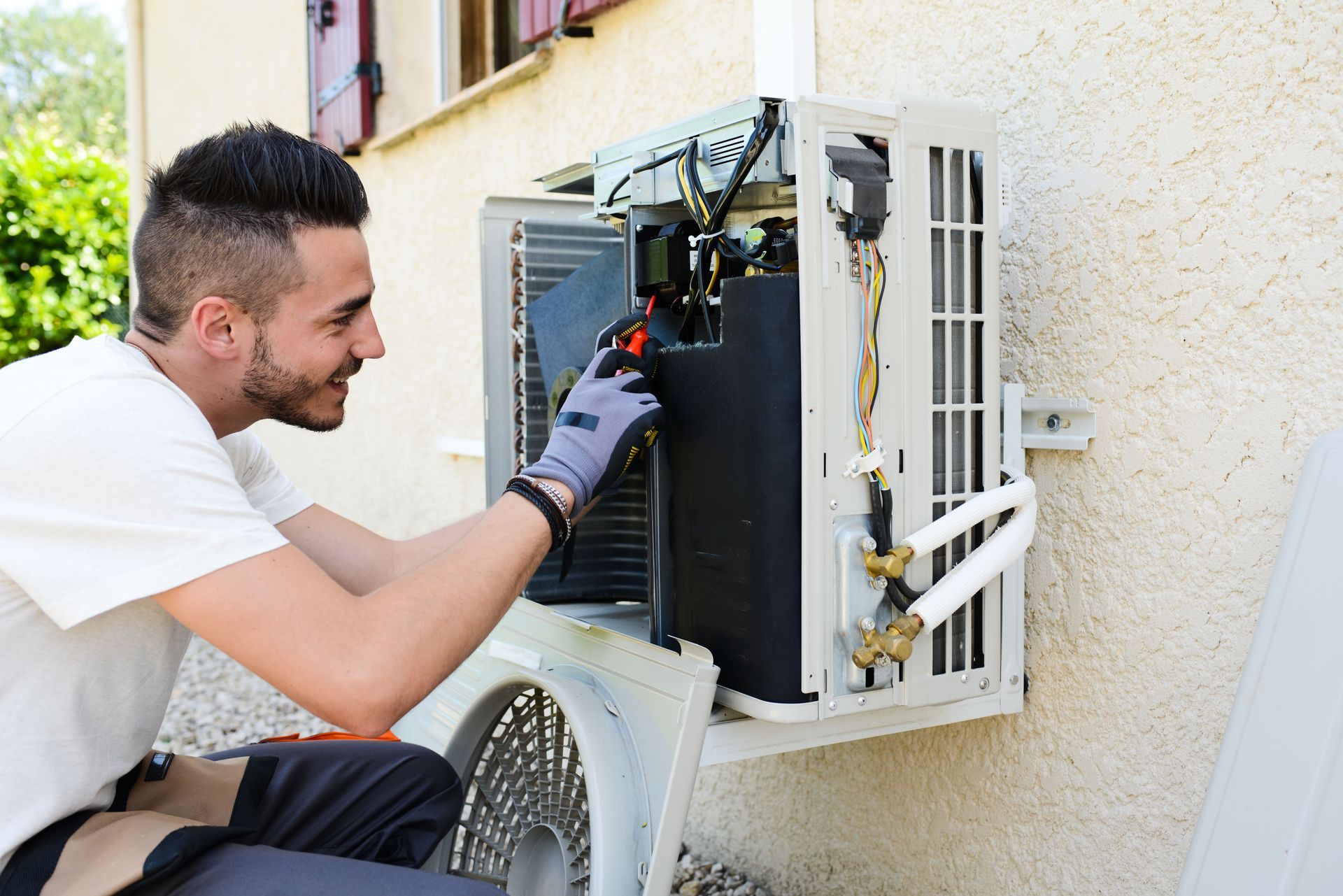
When an air conditioning system begins to fail, homeowners often find themselves facing a difficult and time-sensitive decision. Choosing between ongoing ac repairs and investing in a full replacement requires careful consideration of performance, long-term cost, and overall system reliability. Because an air conditioner directly affects indoor comfort—especially during extreme heat—understanding the factors that influence this decision is essential. Many issues can be resolved with targeted repairs, particularly when the system is relatively new or well-maintained. However, older units or systems experiencing frequent failures may no longer deliver the efficiency or reliability homeowners expect. By weighing cost, age, performance, and energy efficiency, homeowners can make an informed choice that aligns with both their comfort needs and their long-term budget.
Evaluating the Age and Condition of the System
One of the most important considerations when deciding between ac repairs and replacement is the age of the existing system. Most air conditioners have an average lifespan of 10 to 15 years, depending on the quality of the unit, frequency of maintenance, and environmental conditions. As systems age, their components begin to wear out, leading to reduced efficiency, increased noise, and more frequent breakdowns.
An older unit may still function, but it often requires more energy to cool the home than a newer, more efficient model would. Increased energy consumption leads to higher utility bills, which can outweigh the short-term financial relief of occasional repairs. As mechanical parts continue to deteriorate, repairs become more frequent and less cost-effective.
This is why age is a meaningful indicator when choosing between ac repairs and replacement. According to HomeGuide, replacing an HVAC system is worth considering when it’s more than 10 years old, and the repair costs exceed 30% of the price of a new unit. This guidance helps homeowners evaluate whether ongoing repairs are financially sensible or whether replacement will offer better long-term value.
The system’s overall condition also matters. A well-maintained unit with clean coils, functioning components, and a history of regular tune-ups may continue to operate efficiently well beyond its expected lifespan. However, units with poor maintenance records or early signs of major mechanical decline may need a more immediate solution.
Reviewing Repair Frequency and System Reliability
Another important consideration when deciding between ac repairs and replacement is how frequently the system breaks down. A single malfunction does not typically warrant a full replacement—especially if the repair is minor, such as a clogged drain line, a malfunctioning capacitor, or a sensor issue. These problems are often inexpensive to fix and do not indicate systemic failure.
However, repeated breakdowns signal deeper issues. When a system requires multiple service calls within a short period, it may indicate that major components such as the compressor, evaporator coil, or blower motor are failing. These repairs can be costly and may temporarily restore function without addressing the root issue of system decline.
Frequent repairs also create inconvenience for homeowners. During peak cooling seasons, even short-term system outages impact comfort significantly. Ongoing unreliability can disrupt daily routines, create stress, and lead to emergency repair fees that inflate overall spending.
In these cases, homeowners must consider whether continuing ac repairs is the best option. Replacement may provide the long-term stability necessary to avoid repeated service interruptions. Upgrading to a new, efficient system also ensures more predictable performance and fewer unexpected breakages.
Assessing Energy Efficiency and Long-Term Cost Savings
Energy efficiency plays a major role in the decision between ac repairs and replacement. Older systems generally use more energy, resulting in higher utility bills. Even if an older unit still functions, its declining efficiency can cost homeowners more each month compared to the savings offered by a new system.
Modern air conditioners are designed with high-efficiency compressors, variable-speed motors, and advanced refrigerant technologies that reduce energy consumption. They also operate more quietly and deliver more consistent indoor comfort. Replacing an outdated system can therefore provide both immediate and long-term savings.
When considering energy efficiency, homeowners should evaluate the unit’s SEER (Seasonal Energy Efficiency Ratio) rating. Higher SEER ratings indicate greater energy efficiency. Older units often fall between SEER 8 and SEER 10, while new systems may offer ratings of SEER 14 or higher, depending on regional regulations and available technology. The difference in energy consumption can significantly reduce monthly cooling costs over the life of the unit.
Additionally, environmental factors impact efficiency. Dirty coils, restricted airflow, and refrigerant leaks can decrease performance dramatically. While ac repairs may temporarily restore function, they may not improve the system’s efficiency to modern standards. In contrast, replacement with a new, energy-efficient unit provides measurable, long-term savings that offset the initial investment.
Choosing between repairs and replacement ultimately depends on balancing immediate repair costs with the long-term benefits of energy savings and overall system performance.
Considering Comfort, Performance, and Indoor Air Quality
Comfort is another major factor in determining whether ac repairs or replacement is the right option. As air conditioners age, their cooling capacity may decline—resulting in uneven temperatures, longer cooling times, or insufficient humidity control. These issues may persist even after repairs, especially when the system is approaching the end of its lifecycle.
A newer system offers improved airflow, better humidity management, and more precise temperature control. Modern technology allows systems to adjust cooling output more efficiently, improving comfort throughout the home. Enhanced filtration features also contribute to better indoor air quality, reducing allergens, dust, and particulates.
Repairs may temporarily improve comfort if the issue is minor. However, if the system consistently fails to meet the home’s cooling demands, a replacement may offer a more reliable and effective solution.
Another factor affecting comfort is noise level. Older units often become louder over time due to mechanical wear. Newer systems are built with quieter components and insulated compressors that reduce operational noise. For homeowners sensitive to sound, upgrading may significantly enhance comfort and quality of life.
Assessing whether repairs will sufficiently restore comfort—or whether replacement is necessary—requires evaluating the system’s overall performance. If a unit can no longer maintain consistent comfort even with repairs, replacement becomes the better long-term option.
Weighing Environmental Impact, Home Value, and Future Needs
Environmental considerations also influence the choice between ac repairs and replacement. Older systems may use outdated refrigerants or consume more energy than modern units. By upgrading to an energy-efficient model, homeowners reduce their environmental footprint and contribute to long-term sustainability.
Home value is another important factor. A newer, efficient air conditioning system can improve property value and attract buyers. For homeowners planning to sell in the near future, replacement may be a worthwhile investment that enhances the home’s market appeal.
Future needs should also be taken into account. Changes such as home additions, increased occupancy, or new insulation may require a higher-capacity cooling system. If the current unit is struggling to keep up with demand, repairs may not provide lasting relief. Replacement ensures the system is properly sized and capable of supporting future lifestyle changes.
Choosing between ac repairs and replacement involves evaluating system age, reliability, efficiency, comfort, environmental impact, and future needs. While repairs are appropriate for newer or well-maintained systems experiencing minor issues, older units or those with recurring problems may benefit more from a full replacement. By considering all factors and consulting with a reliable HVAC professional, homeowners can make a decision that ensures comfort, efficiency, and long-term value. Contact Archway Cooling & Heating Inc today to schedule your next ac repair service!
Share On: