
HVAC Companies Reveal the Most Overlooked Causes of System Failure
HVAC systems play a critical role in maintaining indoor comfort in both residential and commercial settings. However, many property owners tend to overlook routine maintenance tasks that are essential for the continued operation of these systems. This article delves into the overlooked aspects that frequently lead to HVAC system failures, as shared by top HVAC companies. By understanding these issues, homeowners and businesses can take proactive steps to prevent costly breakdowns and inefficiencies. HVAC companies emphasize the importance of homeowner awareness regarding system care and maintenance. Inadequate attention to detail can culminate in the complete breakdown of HVAC systems, which can be both inconvenient and financially draining. Most people don't worry about their HVAC system until there's a problem. But when there is no heating or cooling, it's all-consuming. Let Archway Cooling & Heating provide peace of mind with an affordable, worry-free HVAC maintenance plan. Become an Archway Maintenance Membership Partner and ensure your home or business receives our bi-annual, comprehensive array of preventative maintenance and services to reduce the chance of an unexpected comfort crisis and ensure optimal efficiency and savings. Archway Cooling & Heating offers 2 levels of Partner Plans to meet your HVAC maintenance needs: The Pro & Prime Partner Programs. The Pro & Prime Partner Programs allow our customers to choose their maintenance program while receiving year-round Member Benefits.
Replace Air Filters on a Regular Schedule
One of the most fundamental yet frequently overlooked tasks in HVAC maintenance is changing the air filters regularly. Dirty and clogged air filters can impede airflow, forcing the system to work harder and consume more energy. This not only raises utility bills but also accelerates wear and tear on system components, leading to premature failure. According to Technavio HVAC Services Market analysis, regular air conditioning services reduce system breakdowns by approximately 75% through proactive maintenance.
HVAC companies often report that a significant percentage of system failures they encounter could have been avoided with regular filter changes. Filters should be checked at least once every month and replaced as needed, especially during peak seasons when HVAC use is highest. This straightforward step can do wonders for maintaining system efficiency and ensuring clean indoor air quality. By prioritizing filter maintenance, property owners can reduce the risk of breakdowns and provide a healthier environment.
Overlooking the need for regular filter changes can lead to reduced system performance and increased vulnerability to mechanical issues. When air flows unimpeded through a clean filter, the HVAC system can effectively regulate temperature and humidity levels. In contrast, a clogged filter can cause components to overheat and fail, sometimes requiring extensive repairs or even full system replacements. Proactive filter maintenance is therefore a cost-effective strategy to safeguard HVAC systems.
Schedule Routine HVAC Tune-Ups
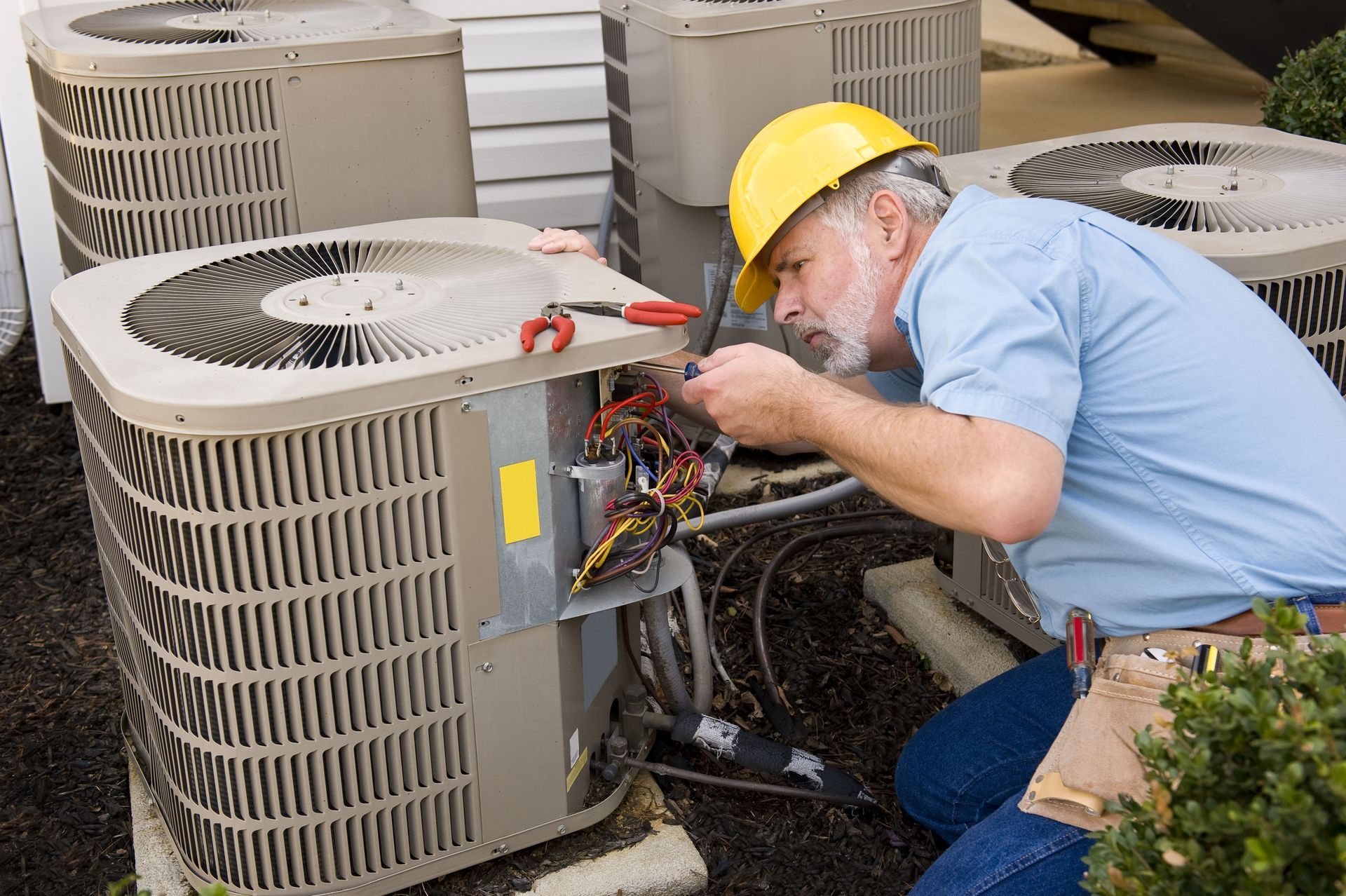
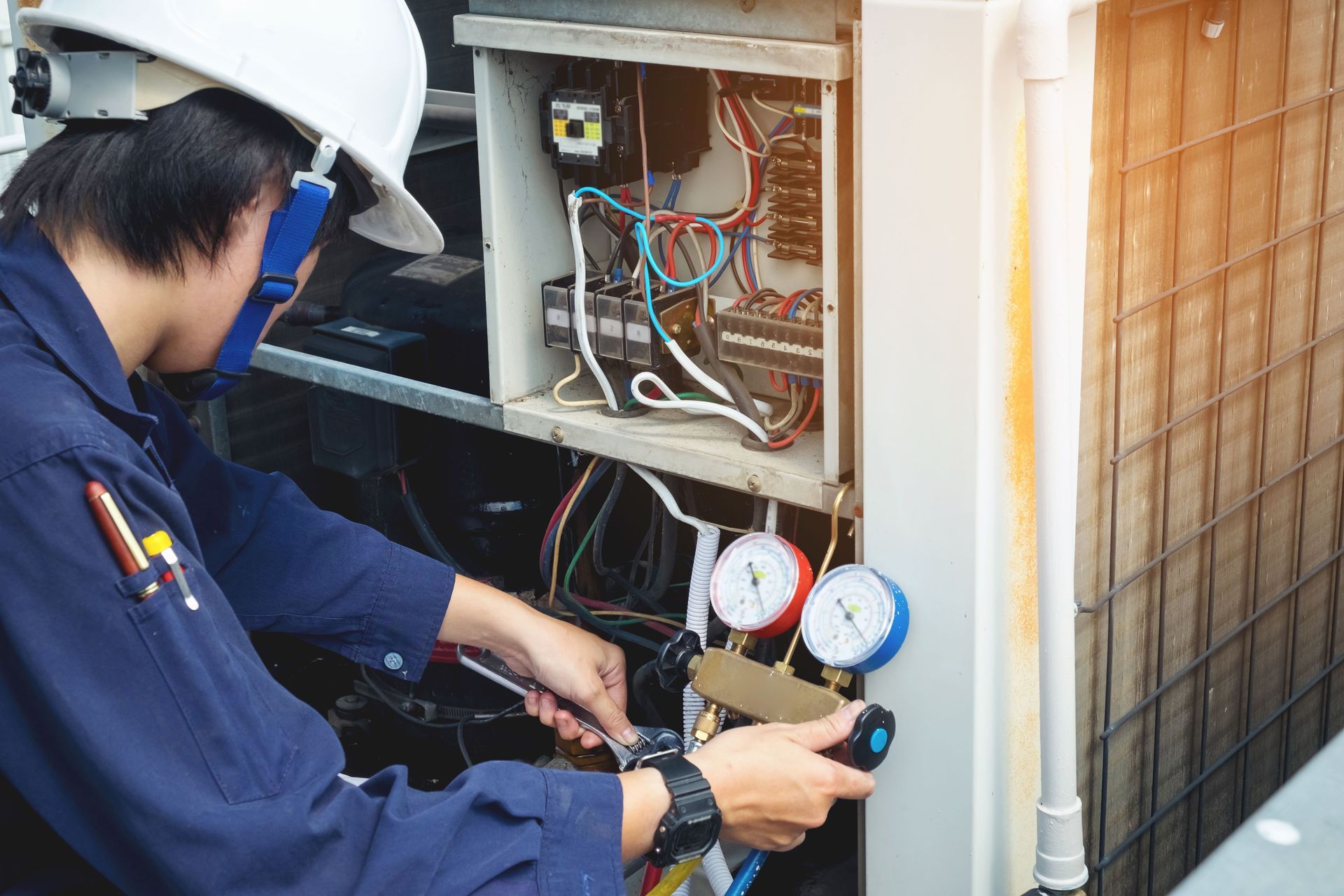
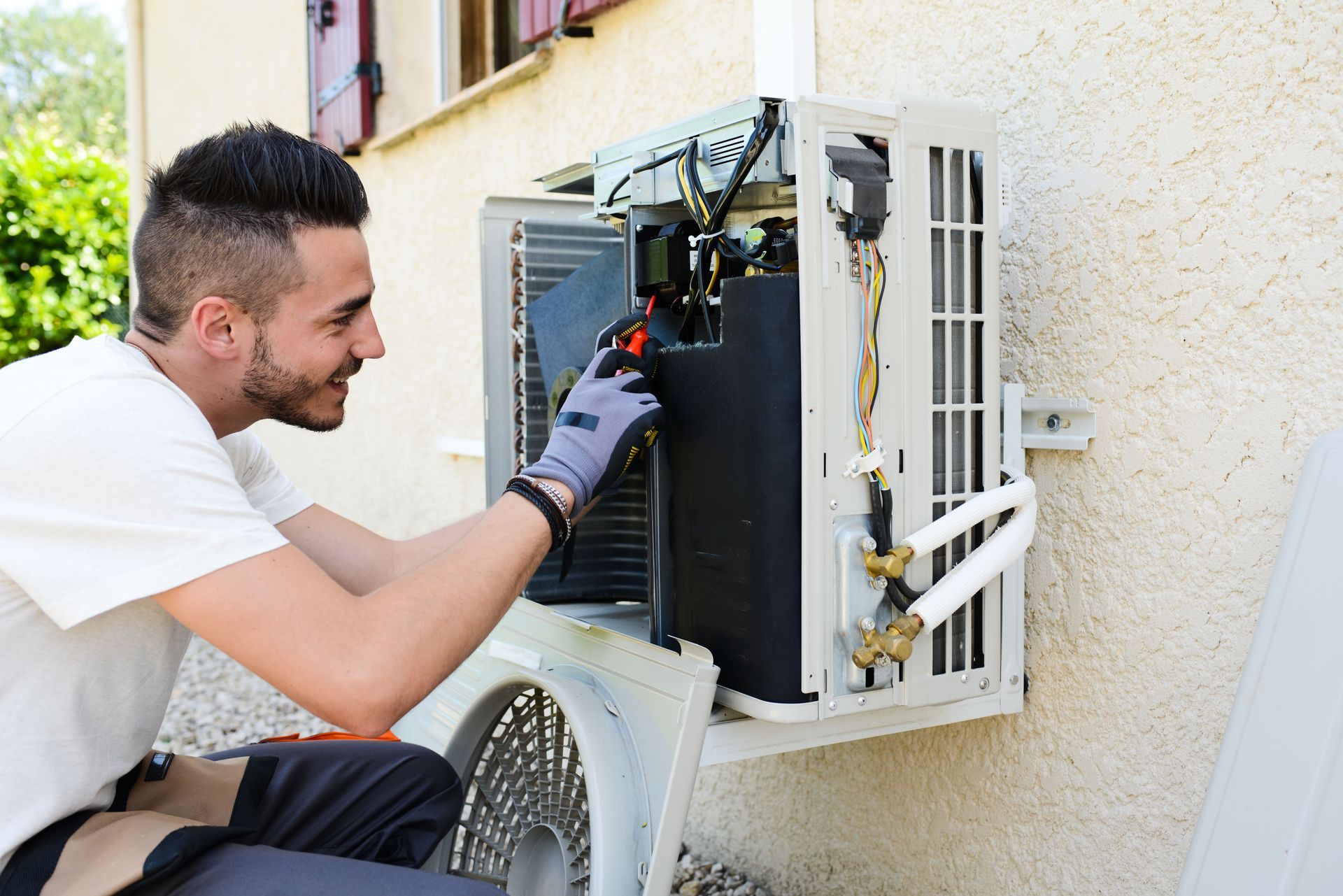
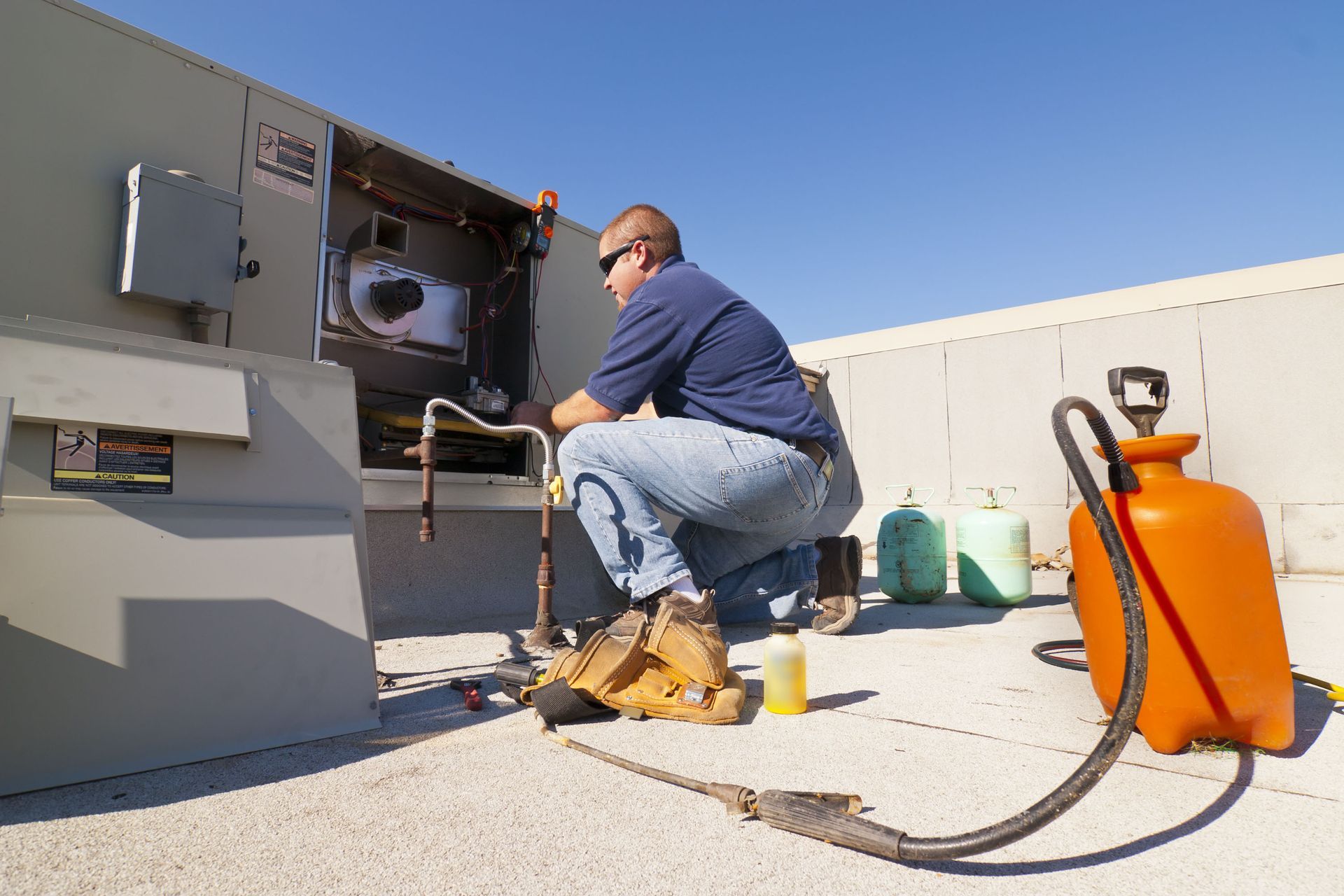
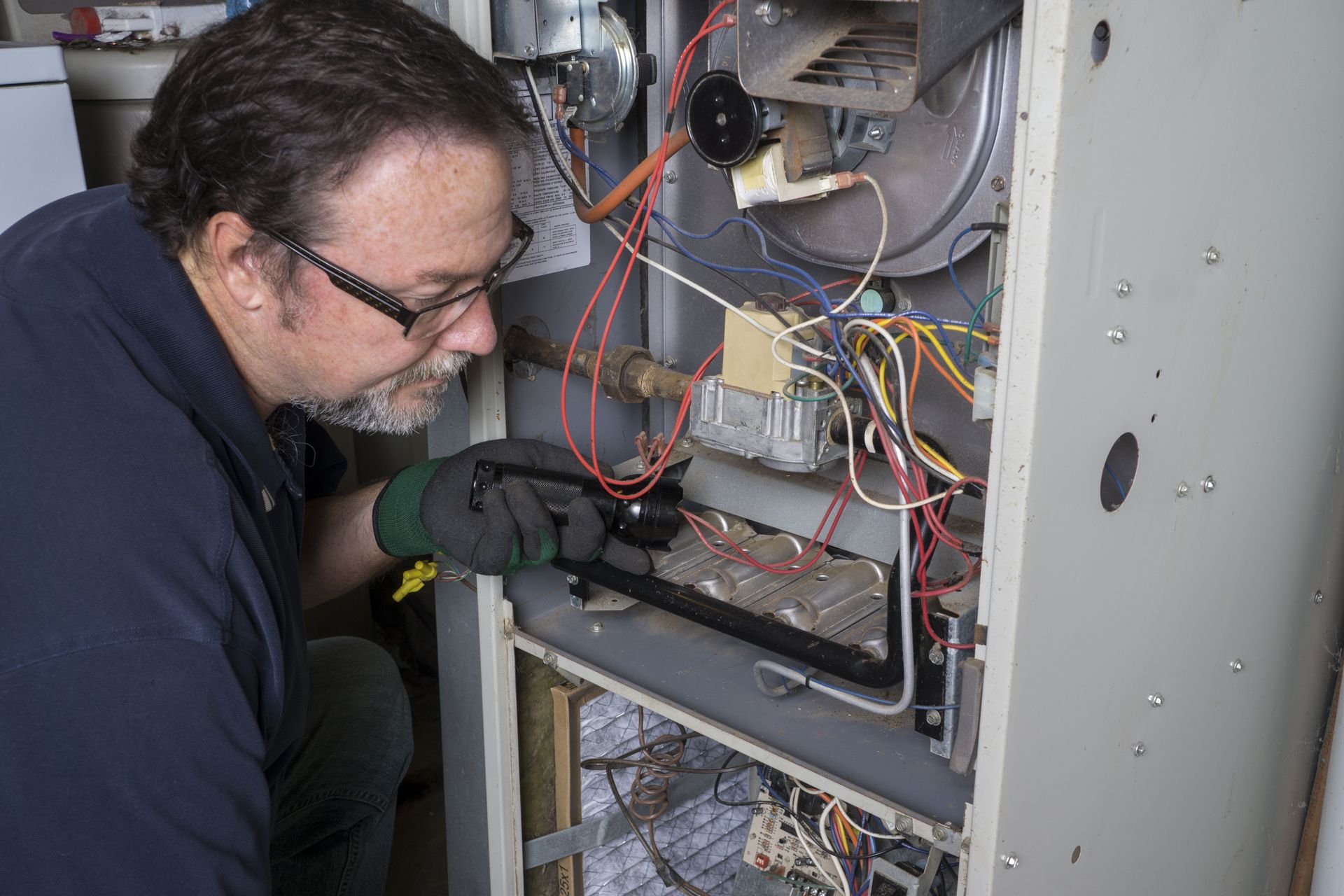
Another vital aspect of maintaining HVAC systems is scheduling regular tune-ups, which are often underestimated but crucial for peak performance. These comprehensive inspections allow technicians to detect and resolve problems before they escalate into major failures. Regular tune-ups examine critical components such as thermostats, electrical connections, and system controls. Ignoring this essential maintenance step can leave systems vulnerable to inefficiencies and potential breakdowns.
HVAC companies advocate for bi-annual professional inspections, ideally in the spring and fall. These tune-ups not only enhance system reliability but also improve energy efficiency, reducing annual operating costs. During a tune-up, technicians can identify small issues like refrigerant leaks or motor failures that could compromise system reliability during extreme weather conditions. Consistent attention to system tune-ups ensures that HVAC systems are prepared to meet the demands of any season.
Failing to conduct regular tune-ups equates to ignoring the hidden elements vital to system longevity. Much like routine check-ups at a doctor’s office, HVAC tune-ups are preventive measures that maintain overall health. When problems are identified and corrected early, the potential for expensive repairs is minimized. By committing to routine tune-ups, homeowners protect their investment in HVAC systems, ensuring long-term operational continuity.
Inspect and Clean Your Ductwork
Often out of sight and out of mind, ductwork is a critical component of HVAC systems that requires regular attention. Dust, debris, and even small pests can accumulate over time, obstructing airflow and reducing system efficiency. HVAC companies highlight that ducts can harbor allergens and contaminants that negatively impact indoor air quality. Regular cleaning and inspection of ductwork can prevent such issues and improve overall system performance.
Ductwork should ideally be inspected annually, with cleaning done as needed, based on factors like system usage and air quality. Neglecting duct maintenance can lead to air conditioning and heating inefficiencies, often manifesting in uneven temperature distributions throughout a building. By proactively managing ductwork maintenance, HVAC systems can operate more effectively, providing consistent thermal comfort without unnecessary strain.
Failing to maintain ductwork can inadvertently contribute to increased energy costs and diminished indoor air quality. Regular duct inspections identify leaks, blockages, and issues that could lead to system failure if left unattended. By addressing these hidden problems, both the efficiency and lifespan of HVAC systems can be significantly enhanced. Thorough ductwork maintenance ensures that HVAC systems are always operating at their best.
Monitor Refrigerant Levels Consistently
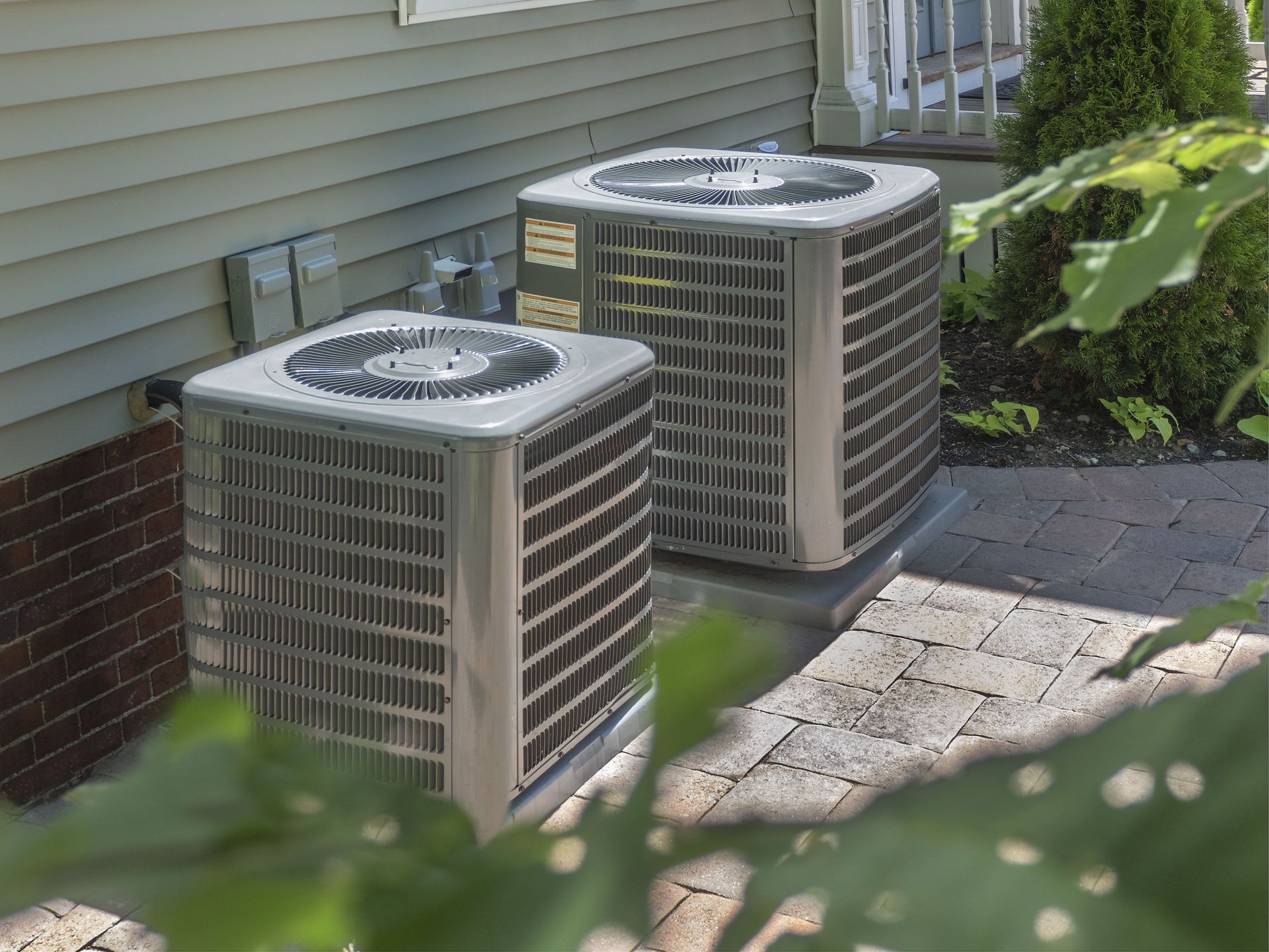
Refrigerant levels are another often overlooked aspect of HVAC maintenance that can have significant impacts on system performance. HVAC systems rely on adequate levels of refrigerant to facilitate the heat exchange process required for cooling. Low refrigerant levels can signal leaks, leading to inefficient cooling and increased energy consumption. To prevent such issues, regular checks and prompt repairs of refrigerant lines are essential.
HVAC companies stress that maintaining correct refrigerant levels is key to avoiding costly system repairs. Refrigerant leaks not only compromise system efficiency but may also cause compressor failure, one of the most expensive components to replace. Homeowners should schedule regular evaluations of their HVAC systems to ensure refrigerant levels are optimal, safeguarding against unnecessary energy expenditure and extensive damage.
Failing to monitor refrigerant levels can result in a feedback loop of inefficiencies and heightened strain on system components. Immediate attention to any indication of refrigerant leaks, such as hissing sounds or warm air output, can save both energy and repair costs. Proactive maintenance regarding refrigerant management secures the function and durability of HVAC systems, promoting overall system health.
Maintain and Calibrate Your Thermostat
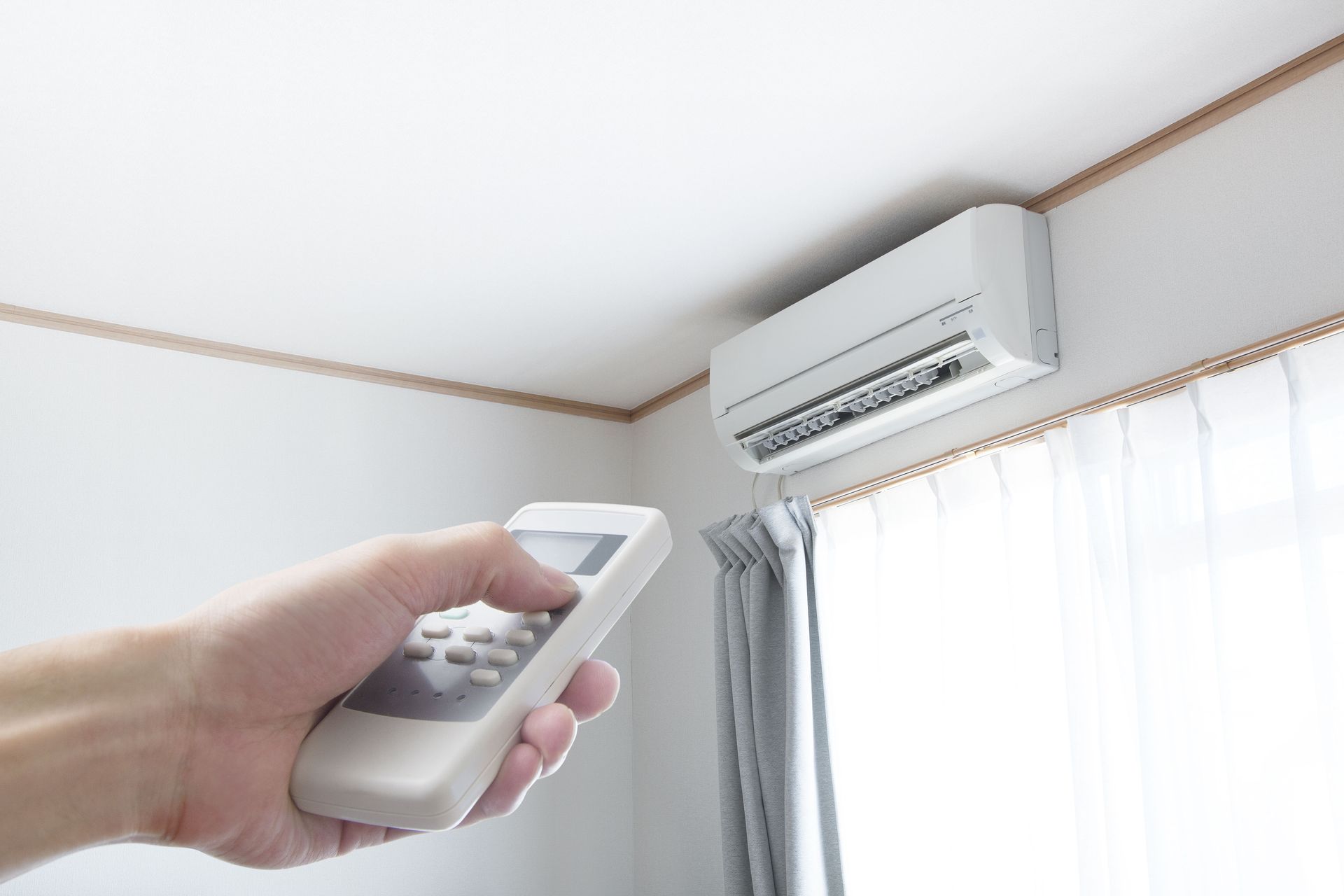
Thermostat maintenance is a frequently neglected aspect of HVAC care, yet its role is crucial in regulating system operations and indoor climate. A malfunctioning thermostat can disrupt system efficiency, leading to untimely activation or deactivation, thereby increasing energy costs. HVAC companies often encounter outdated thermostats as a common culprit in system inefficiencies. Regularly checking and updating thermostat settings is indispensable to optimal HVAC performance.
Modern technology offers a variety of smart thermostats that enhance the precision and control homeowners have over their HVAC systems. By keeping thermostats in good condition and considering upgrades to more advanced models, homeowners can achieve significant energy savings. Aside from ensuring accurate temperature readings, maintaining network connectivity (for smart thermostats) also allows for better system management. Implementing regular thermostat checks as part of standard maintenance routines helps maintain operational efficiency.
Overlooking thermostat maintenance may seem trivial, but it can lead to system-wide repercussions that affect comfort and efficiency. Ensuring that thermostats are calibrated correctly and functioning as intended allows the HVAC system to respond effectively to changes in indoor and outdoor temperatures. HVAC companies advocate for proactive management of thermostats as a small but vital part of maintaining overall system health.
HVAC systems require diligent maintenance to ensure long-term reliability and efficiency. The key to preventing system failure lies in addressing often overlooked tasks, such as filter changes, system tune-ups, duct cleaning, refrigerant monitoring, and thermostat calibration. By incorporating these practices into regular maintenance routines, property owners can significantly mitigate the risks and costs associated with HVAC system failures. Reach out to Archway Cooling & Heating Inc to learn more about our services today.
Share On: